


Your cart is empty

Back
The Wrong Impulse Sealer for Mylar Bags Can Damage Your Packaging Quality
A good pouch can still look bad if the seal is weak. That is one of the most overlooked parts of cannabis packaging. Brands often spend time choosing the right mylar bags, finalizing artwork, checking pouch size, and making sure the design looks clean. But if the final heat seal is uneven, burned, under-sealed, or … Continued
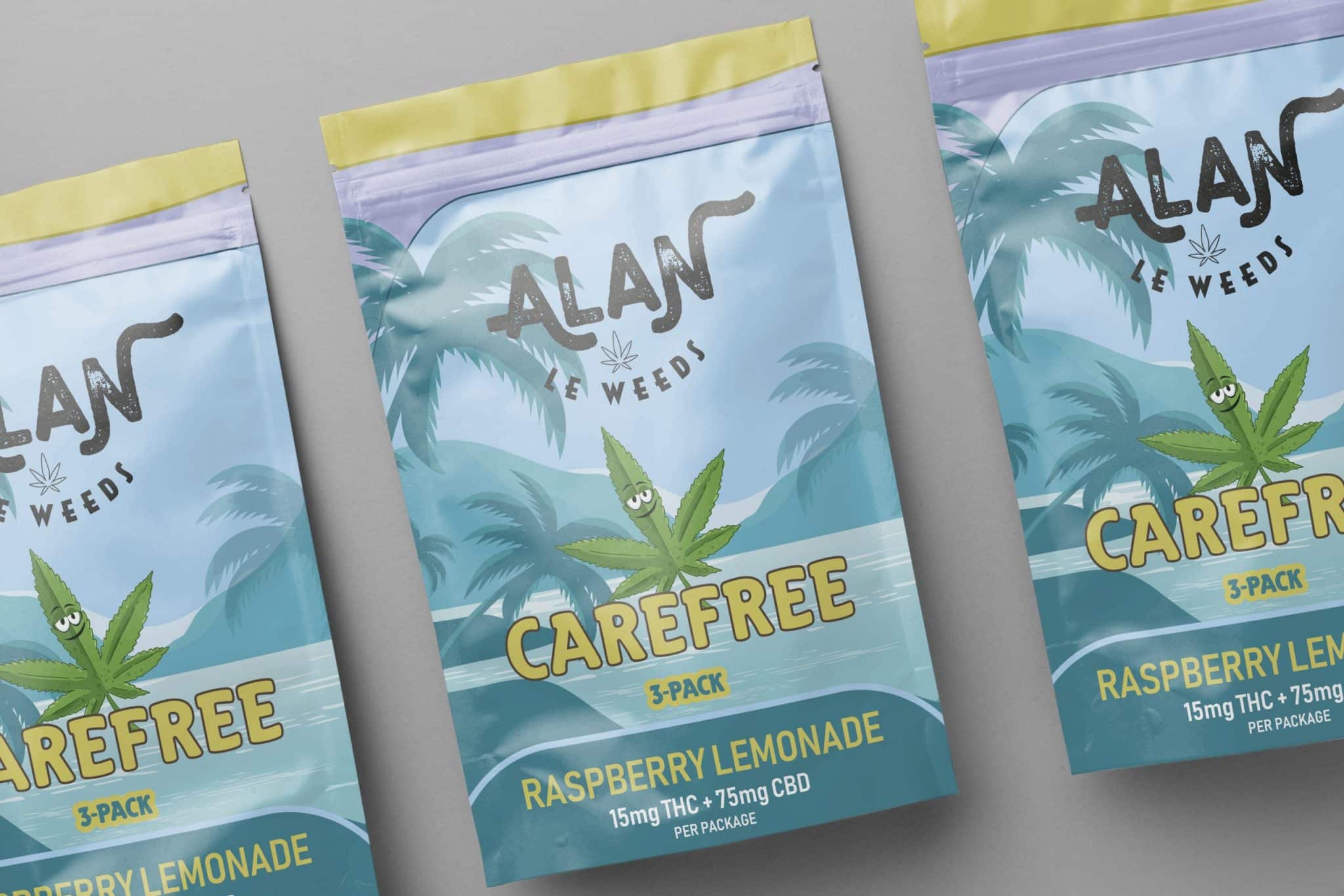
A good pouch can still look bad if the seal is weak.
That is one of the most overlooked parts of cannabis packaging. Brands often spend time choosing the right mylar bags, finalizing artwork, checking pouch size, and making sure the design looks clean. But if the final heat seal is uneven, burned, under-sealed, or poorly placed, the whole package can feel less professional.
For cannabis brands, packaging quality is not just about the bag itself. It is also about how the bag closes, how it handles, how it looks after sealing, and whether the final package feels retail-ready.
That is why choosing the right impulse sealer for mylar bags matters.
The wrong sealer can create weak seams, melted edges, inconsistent pressure, or a seal line that does not match the pouch size. In some cases, the pouch may still close, but the finished product looks rushed. In other cases, the seal may not hold the way the brand expects.
If your cannabis packaging depends on mylar bags, the sealer should be treated as part of the packaging system, not an afterthought.
Why Sealing Quality Matters for Mylar Bags
Mylar bags are commonly used because they are flexible, practical, and useful across many cannabis product types. Flower, edibles, pre-rolls, gummies, samples, and promotional drops can all use pouch packaging when the size and format are chosen correctly.
But even the best pouch can lose impact if the seal looks poor.
A weak seal can make the package feel unreliable. A burned seal can make the pouch look damaged. A crooked seal can make the product look rushed. An uneven seal can create doubt about how carefully the product was packaged.
For cannabis brands, that matters because customers and retailers often judge the product before they ever open it. The pouch is part of the first impression. If the seal looks clean and intentional, the package feels more complete. If the seal looks messy, the product may feel less polished.
The final seal also affects how the pouch handles. A clean seal should support the bag’s structure and presentation. It should not distract from the design, warp the top of the pouch, or make the packaging look overworked.
Packaging quality is not only about what the customer sees on the front panel. It is also about the details that make the package feel finished.
How the Wrong Impulse Sealer Damages Packaging Quality
An impulse sealer uses heat and pressure to seal a bag. The issue is that not every sealer is right for every pouch.
If the sealer does not get hot enough, the bag may be under-sealed. The seal might look closed at first, but it can feel weak or inconsistent. This can be especially frustrating when packaging teams assume the pouch is finished, only to notice that the seal line does not feel secure.
If the sealer gets too hot, the opposite problem can happen. The pouch edge can melt, wrinkle, burn, or deform. This can make the package look damaged before it ever reaches the shelf.
Pressure also matters. Uneven pressure can create a seal that looks complete in one area and weak in another. This is one reason seal testing is important before packaging a larger batch.
The size of the sealer can create problems too. If the seal length is too short for the pouch width, the brand may have to seal in sections. That can leave overlapping marks, uneven lines, or weak points. If the seal width is too narrow for the pouch material, the closure may not look as strong or clean as needed.
The wrong impulse sealer for mylar bags can create problems that are not always obvious until the packaging is already in production.
That is why the sealer should match the pouch, not just the budget.
What to Check Before Choosing an Impulse Sealer for Mylar Bags
Before choosing a sealer, start with the pouch.
The first detail to check is pouch width. The sealer should be wide enough to create a clean seal across the bag without forcing the operator to seal the pouch in multiple passes. For retail packaging, a cleaner single seal often creates a better finished look.
Next, check seal width. Some sealers create a very narrow seal, while others create a wider seal line. The right choice depends on the pouch material, thickness, and intended packaging use. A thin seal line may be fine for some bags, but it may not give the same visual confidence for thicker or heavier pouch formats.
Material thickness should also be reviewed. Not all mylar bags have the same structure. A pouch used for a small sample pack may not seal the same way as a thicker pouch used for flower, edibles, or larger product volumes.
Heat control is another important factor. Some sealers offer more control than others. If the heat setting is too low, the seal may be weak. If the heat setting is too high, the pouch can burn or wrinkle. The goal is not just to apply heat. The goal is to create a clean, consistent closure.
Production volume also matters. A brand sealing a few sample pouches has different needs than a team sealing retail packaging repeatedly. For occasional sealing, a basic setup may be enough. For repeated packaging, consistency becomes more important.
Before committing to a sealing setup, cannabis brands should check:
- Pouch width
- Pouch thickness
- Desired seal width
- Closure style
- Production volume
- Heat control
- Seal placement
- Final package appearance
These details help prevent one of the most common packaging mistakes: buying the bag first, then guessing on the sealing method later.
Common Mylar Bag Sealing Mistakes to Avoid
One common mistake is assuming any heat tool will work the same way.
Some people use clothes irons, flat irons, or hair straighteners to seal mylar bags. For basic use, those methods may work when handled carefully. But for cannabis brands preparing retail packaging, the goal is not only to close the pouch. The package also needs to look consistent, clean, and intentional.
Another common mistake is assuming a standard vacuum sealer will work for every mylar bag. Some users report that vacuum sealers may not get hot enough to properly seal certain mylar materials. That does not mean every vacuum sealer fails in every situation, but it does mean brands should test before relying on one.
Skipping seal testing is another issue. A seal can look finished but still be weak. Before running a full batch, test a few bags. Check the seal line, inspect the edges, and make sure the pouch is not burned, warped, or uneven.
Brands should also avoid sealing too close to the zipper or closure feature when using resealable mylar bags. If the heat seal interferes with the zipper area, the package may become harder to open, reseal, or present cleanly.
Punctures are another practical concern. If the product has sharp edges, rigid pieces, or awkward shapes, the bag itself should be reviewed before sealing. A strong seal cannot fix a pouch that is not the right fit for the product inside.
The key is simple: sealing method matters, but checking the final seal matters more.
When Basic Sealing Methods Are Not Enough
Basic sealing methods may be acceptable for small tests, personal use, or very low-volume packaging situations. A flat iron or clothes iron may be enough for someone sealing a few bags carefully.
But cannabis brands often need more consistency.
Retail packaging has different expectations. The seal should look clean across multiple units. The pouch should not look burned or uneven. The team should be able to repeat the process without guessing on every bag.
That is where a dedicated impulse sealer can make more sense.
A dedicated impulse sealer can offer a more controlled sealing surface, more consistent pressure, and a cleaner seal line when matched correctly to the pouch. This can be especially useful for brands packaging multiple SKUs, limited drops, edible runs, flower batches, pre-roll packs, or promotional products.
The decision should be based on the packaging need. If the brand is sealing occasionally, a basic method may be enough. If the brand is sealing repeatedly for products that need a polished shelf presence, a better-matched sealer is worth evaluating.
The more visible the package is to customers, the more important the seal becomes.
How Sealing Affects Cannabis Packaging Presentation
Cannabis packaging has to communicate trust quickly.
The customer may not know how much effort went into sourcing the product, developing the edible, rolling the pre-roll, or preparing the launch. What they see first is the package.
A clean pouch with a messy seal sends mixed signals. The artwork may look strong, but the closure can make the product feel unfinished. A premium flower pouch can lose impact if the top looks melted. A limited edible drop can feel less special if every bag has a different seal line.
This is especially important for custom mylar bags. When a brand invests in a better pouch design, the final sealing step should protect that presentation. It should not make the package look damaged after production.
Good sealing is quiet. It does not call attention to itself. It simply makes the package feel complete.
Poor sealing does the opposite. It draws attention away from the product and toward the mistake.
Choose Mylar Bags and Sealing Setup With CannaZipBags
CannaZipBags helps cannabis brands think through mylar bags as part of a complete packaging decision.
That includes pouch size, material, closure style, finish, label space, product fit, and how the bag will be sealed after filling. The goal is to help brands choose packaging that supports the final product presentation, not just the first design mockup.
For flower brands, the pouch should fit the product amount without looking underfilled or bulky. For edible brands, the bag should leave enough room for product details, flavor names, and serving information. For pre-roll brands, the packaging should support the product format and final retail display. For samples and promotional drops, the pouch should still feel clean and intentional.
The sealer is part of that experience.
A mylar bag is only finished when the final seal supports the package. If the sealer is poorly matched, the pouch can look damaged even if the design is strong. If the seal is clean and consistent, the final product feels more ready for the shelf.
Make the Seal Match the Bag
The wrong impulse sealer for mylar bags can create packaging problems that show up at the worst possible time: after the product is already being packed.
Weak seals, burned edges, uneven pressure, and poor seal placement can all make a good pouch look less professional. For cannabis brands, those details matter because packaging is part of how the product earns trust.
Before sealing a batch, confirm the pouch width, material thickness, seal width, heat setting, closure style, and product volume. Test the seal before committing to a full run. Make sure the finished pouch looks clean, handles well, and supports the product presentation.
The right mylar bags deserve the right sealing setup.
Shop mylar bags for cannabis packaging at CannaZipBags.
Need help choosing pouch size, style, or sealing fit? Contact CannaZipBags for packaging guidance.


