



Your cart is empty

Back
How a Zip of Weed Bag Helps Preserve Freshness and Aroma
How a Zip of Weed Bag Supports Freshness Retention Freshness is often discussed as one idea, but it’s shaped by several practical factors: air exposure, humidity swings, handling, and storage environment. A zip of weed bag can help reduce exposure events compared with non-resealable packaging, but outcomes still depend on how consistently the bag closes … Continued
How a Zip of Weed Bag Supports Freshness Retention
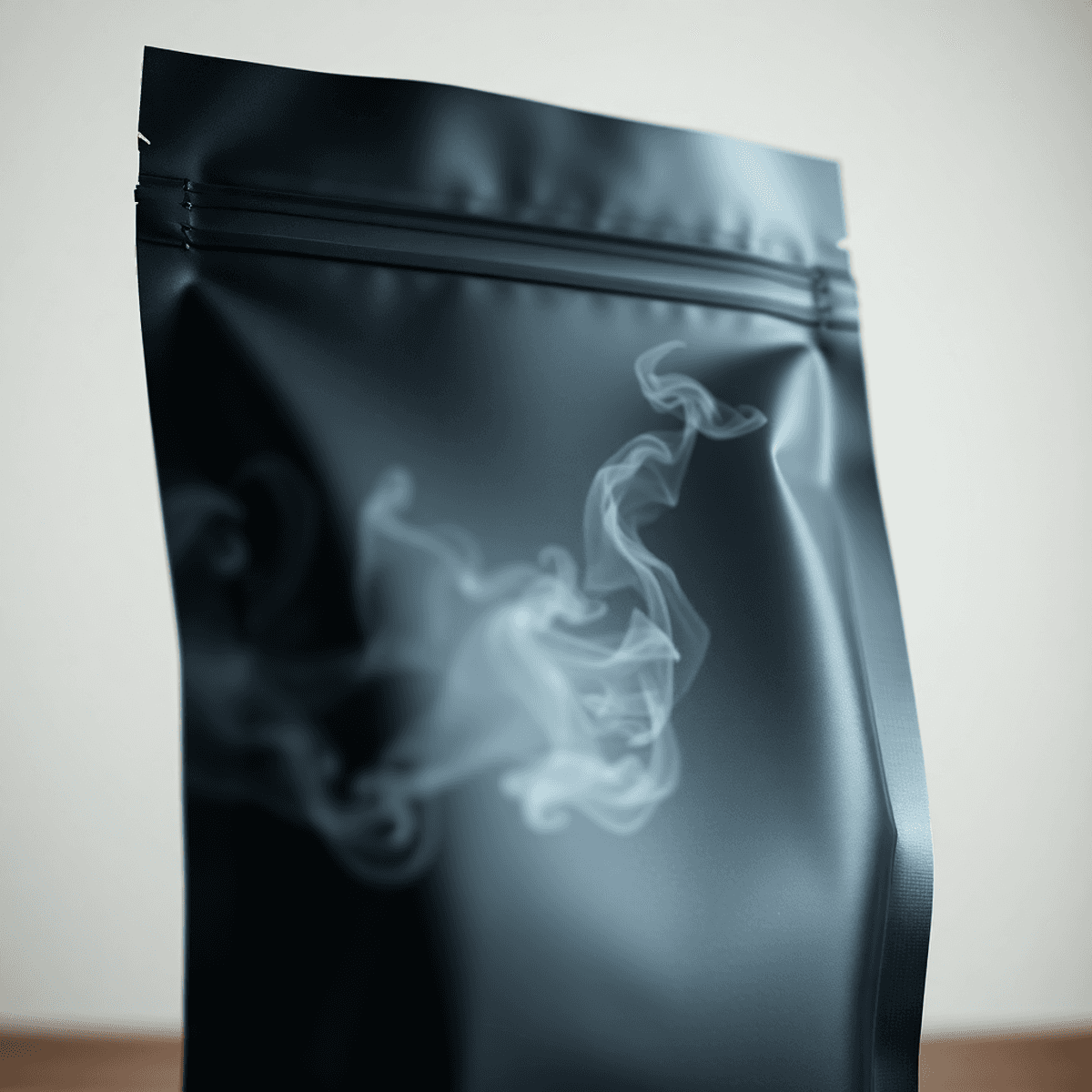
Freshness is often discussed as one idea, but it’s shaped by several practical factors: air exposure, humidity swings, handling, and storage environment. A zip of weed bag can help reduce exposure events compared with non-resealable packaging, but outcomes still depend on how consistently the bag closes and how it’s stored.
Closure integrity and exposure reduction
The main freshness-related advantage of a zip closure is simple: it can reduce how much outside air cycles in and out after the bag is opened.
In practical terms, a better-performing zip closure tends to:
- Close with consistent alignment (the tracks meet cleanly)
- Resist “partial seals” (where one corner is slightly open)
- Stay closed during normal movement (transport, drawer storage, handling)
If the closure is easy to fully seal each time, it can help limit repeated exposure to oxygen and ambient humidity—two variables closely tied to perceived product quality over time.
Why repeated opening, air contact, and storage handling matter
Even with a good zip, repeated access changes the storage reality. Every open/close cycle typically introduces:
- New air exchange
- Brief humidity shift inside the bag
- Physical agitation (buds moving, trichomes rubbing against the bag)
- Higher chance of a rushed or incomplete reseal
This is why “freshness retention” isn’t only about the bag’s material. If the product will be accessed multiple times daily, closure consistency and user handling often matter as much as the film itself.
What Affects Aroma Preservation Most
Aroma retention is related to freshness, but it’s more specific: it’s about how well the bag helps contain volatile aromatic compounds and reduces odor transfer to the surrounding environment. Many buyers assume any resealable bag performs the same for smell control—often it doesn’t.
Seal consistency and odor containment
Aroma containment is heavily influenced by how consistently the zip creates a continuous seal from edge to edge. If the seal is uneven or easy to misalign, odor can escape through tiny gaps—especially near corners.
When comparing a zip of weed bag for aroma containment, look for:
- A closure that “locks” with clear tactile feedback
- Track width that feels substantial (less finicky to align)
- Reduced risk of zipper contamination (fine particles can interfere with sealing)
Also note: odor containment is not only about keeping smells in. Over time, if the seal is inconsistent, outside odors can also mingle—especially in mixed-storage settings.
Material limitations in real storage conditions
Even with a well-sealed zipper, the bag material sets the baseline for how the package behaves in real-world conditions. Some materials are more prone to:
- Allowing odor transmission over time (especially thin films)
- Developing micro-folds or creases that stress the barrier layer
- Getting punctured or abraded through handling or transport
In general, odor retention improves when the bag has a more robust barrier structure (often multi-layer materials) and adequate thickness. But performance is still conditional—particularly when the bag is frequently opened or stored in warm environments.
When bag performance drops because of handling or environment
A zip of weed bag can lose effectiveness faster when:
- It’s stored in heat or direct sunlight (materials soften; aroma compounds volatilize more readily)
- It’s crushed in a backpack or pocket (zip track stress; edge leaks)
- The top seal area gets contaminated (fine plant particles prevent full closure)
- The bag is repeatedly opened quickly (higher rate of partial seals)
If odor control is a priority, these handling realities matter as much as the packaging spec sheet.
Which Bag Features Matter More Than the Bag Name
“Zip of weed bag” is a keyword people search, but the name doesn’t tell you whether the pouch has a dependable closure, meaningful barrier properties, or durability for repeated access. To evaluate options, focus on features you can confirm from product specs, samples, or visual inspection.
Resealable closure performance
Not all zippers behave the same. When freshness and aroma retention are the use case, compare:
- Single vs. double track zippers: Double-track styles often feel more forgiving and may reduce accidental partial seals.
- Track stiffness and alignment: Flimsy tracks can misalign easily, especially if the bag is filled close to the zipper line.
- Reseal “feel”: A closure that provides clear tactile confirmation can reduce user error during resealing.
If your buyers will open the bag repeatedly, closure reliability often becomes the “real” performance feature—because it directly affects how often the bag is actually sealed as intended.
Material thickness, barrier feel, and practical durability
Material performance is usually felt before it’s measured. For storage-focused packaging, the practical questions are:
- Does the bag hold its shape and resist collapsing into the product?
- Does it crease sharply (creating repeated stress lines)?
- Does it resist scuffs, pinholes, and corner wear during routine use?
Thicker materials often feel more protective, but thickness alone is not the full story. A well-designed multi-layer barrier at a moderate thickness may outperform a thicker single-layer film in odor retention and durability.
Visual inspection points buyers can evaluate before ordering
If you can review a sample, quick checks that help predict storage performance include:
- Zip consistency: Close it slowly and check for gaps at the corners.
- Top area rigidity: A slightly stiffer zipper zone can reseal more consistently.
- Edge and corner strength: Weak corners are common failure points in daily handling.
- Material “bounce back”: Very soft films can fold into the zipper path, increasing mis-seals.
- Opacity and structure: While not a guarantee of barrier quality, many higher-barrier pouches have a more structured, layered feel.
These are simple, observable cues that support a more informed comparison—especially when product listings are vague.
Where a Zip of Weed Bag Helps and Where It Does Not
Setting expectations clearly is important: a zip of weed bag can support freshness and aroma retention, but it does not control every variable that affects storage outcomes.
What the bag can reasonably support
A well-made zip of weed bag can reasonably help by:
- Reducing casual air exposure compared with non-resealable packaging
- Improving day-to-day usability (open/close without needing additional tools)
- Supporting more consistent short-term odor containment when properly sealed
- Offering a practical barrier layer that reduces rapid changes from the surrounding environment
In other words, it can serve as a “first line” packaging solution for routine storage—especially when users reseal carefully and store the pouch appropriately.
What still depends on storage conditions outside the bag
Even a good bag cannot fully compensate for poor storage habits or harsh environments. Results still depend on:
- Temperature and sunlight exposure
- How often the bag is opened
- How long the product is stored
- How carefully the zipper area is kept clean
- Whether the bag is crushed, punctured, or repeatedly stressed
Exposure, handling, and time-related limitations
If a bag is opened frequently, stored in warm conditions, or carried loosely (pocket/backpack), it’s common for storage outcomes to degrade faster—regardless of the bag name.
For buyers comparing packaging, the most practical mindset is: the bag reduces risk, it doesn’t eliminate it.
How to Choose the Right Zip of Weed Bag for Storage Priorities
Once you separate “freshness” from “aroma containment,” choosing the right zip of weed bag becomes easier: you’re matching closure behavior and materials to real usage patterns.
Prioritizing freshness, smell control, or repeated access
Use-case alignment is key:
- If freshness retention is the priority:
Look for dependable reseal behavior and a structure that limits unnecessary air exchange. A bag that’s easy to seal correctly every time often performs better in real life than a “better material” bag that’s fussy to close.
- If aroma containment is the priority:
Favor stronger barrier structures and closures that seal consistently edge-to-edge. Also consider durability—odor containment can drop if the pouch gets pinholes or zipper stress.
- If repeated access is the priority (daily opening/closing):
Choose a zipper style that’s forgiving and durable. In repeated-access scenarios, user error and zipper contamination are common, so “easy to seal correctly” becomes a major performance factor.
Questions to resolve before requesting product details
Before you compare vendors or request specs, clarify what you need the packaging to do in the real world:
- How long is typical storage time (days vs. weeks)?
- Will the bag be opened occasionally or multiple times per day?
- Will it be stored in a stable environment (drawer/cabinet) or carried around?
- Is odor containment a “nice to have,” or a core requirement?
- Will users handle the zipper carefully, or is it likely to be rushed?
Closure style, material feel, and intended storage use
When you reach out for product details—or when reviewing listings—ask specifically about:
- Closure type (single/double track, child-resistant if relevant to your market)
- Material structure (multi-layer barrier vs. basic film)
- Thickness range and durability expectations
- Any notes on intended use (storage vs. transport vs. display)


