


Your cart is empty

Back
From Basic Pouch to Brand Icon: Using Die Cut Mylar Bags to Build Recognition
A basic pouch can hold the product. But a recognizable pouch can help the product stand out. That is the difference cannabis brands should think about when choosing mylar bags. Standard pouch formats can work well for simple packaging needs, especially when the goal is to contain, seal, and label the product. But when a … Continued
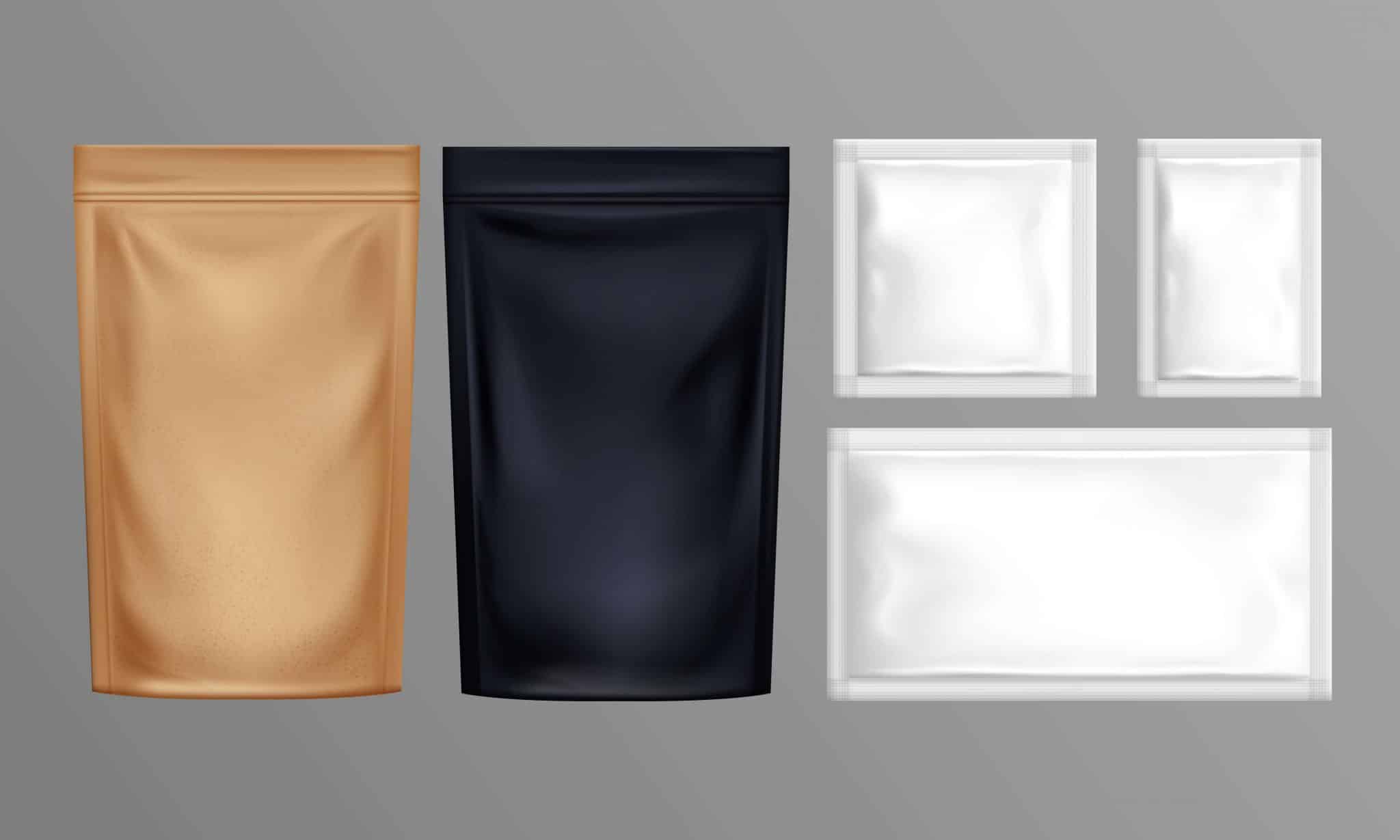
A basic pouch can hold the product.
But a recognizable pouch can help the product stand out.
That is the difference cannabis brands should think about when choosing mylar bags. Standard pouch formats can work well for simple packaging needs, especially when the goal is to contain, seal, and label the product. But when a brand wants stronger shelf presence, a more memorable product line, or packaging that feels intentionally built around the product, a basic pouch may not be enough.
Die cut mylar bags give cannabis brands more control over shape, size, outline, artwork space, closure style, and final presentation. Instead of using the same pouch shape as everyone else, brands can create packaging that feels more connected to the product and easier to recognize.
For cannabis brands selling flower, edibles, pre-rolls, samples, or limited drops, shape can become part of the brand experience.
The pouch is no longer just a container. It becomes part of how the product is remembered.
Why Basic Mylar Bags Can Start to Look Forgettable
Basic mylar bags can be useful. They are practical, familiar, and easy to apply across different cannabis products. For many brands, a standard pouch is a reasonable starting point.
The challenge begins when every product starts to look similar.
If the pouch shape is the same as every other bag on the shelf, the label has to do all the work. The artwork, colors, logo, and product name must carry the full weight of recognition. That can work, but it also creates limits.
A customer may see a wall of similar pouch shapes. A retailer may place several brands side by side. A product may have strong quality but still look ordinary because the package format does not create a distinct impression.
Recognition starts before the customer reads the label.
The shape, size, and outline of the pouch all contribute to the first impression. If the package feels generic, the product can feel generic too. If the pouch feels intentional, the product has a stronger chance of looking planned and brand-specific.
That is why die cut mylar bags matter. They help move packaging beyond the basic rectangle and into a shape that can support the product’s identity.
How Die Cut Mylar Bags Create a More Recognizable Shape
Die cut mylar bags are shaped pouches designed with a custom outline or form. Instead of relying only on printed artwork, the physical shape of the pouch becomes part of the presentation.
That shape can help the product feel more distinct.
A cannabis edible line may use a shape that connects to the product style. A limited drop may use a pouch outline that feels more collectible. A sample product may use a smaller shaped pouch that still looks intentional. A multi-SKU lineup may use consistent die cut shapes to create a more organized product family.
The shape does not need to be extreme to be useful. Even small changes to the outline, corners, top edge, or silhouette can make the pouch feel less standard.
Die cut packaging can also help guide visual hierarchy. The shape can create better space for artwork, product names, flavor callouts, strain details, and brand elements. When the shape and artwork work together, the pouch feels more complete.
The goal is not novelty for the sake of novelty.
The goal is to make the pouch easier to recognize, easier to connect with the product, and more intentional in the customer’s hand.
What Cannabis Brands Should Plan Before Choosing a Die Cut Shape
A die cut pouch should start with the product, not just the design idea.
Before choosing the shape, cannabis brands should confirm what the pouch needs to hold. Flower, edibles, pre-rolls, gummies, samples, and promotional products all have different packaging needs. The product type affects pouch size, fill amount, thickness, closure style, and sealing method.
Fill amount matters because the shape has to work after the product is inside. A pouch may look great when empty, but if it bulges, folds awkwardly, or looks underfilled, the final presentation can feel off. The shape should support the product volume.
Artwork space should also be reviewed early. A die cut pouch may create a more unique outline, but it still needs room for the brand name, product details, strain or flavor callouts, required labels, QR codes, and other important information. If the shape limits usable design space, the final package may become crowded.
Closure style is another important detail. Some products may need resealable packaging. Others may need a simpler pouch format. If the bag includes a zipper or heat seal area, the shape should not interfere with how the package opens, closes, or seals.
Cannabis brands should plan:
- Product type
- Fill amount
- Desired shape
- Pouch size
- Material
- Thickness
- Artwork space
- Label placement
- Closure style
- Sealing method
- Quantity
- Product lineup consistency
The shape should be planned around the product, not added after the design.
Where Die Cut Mylar Bags Fit Best in Cannabis Packaging
Die cut mylar bags can be especially useful when a cannabis product needs stronger shelf distinction.
Edibles are a strong fit because flavor, serving style, and product personality often matter. Gummies, chocolates, mints, tablets, and sample packs can benefit from packaging that feels more product-specific. A shaped pouch can make the edible feel more intentional than a plain bag with a label.
Limited drops can also benefit from die cut packaging. When a product is seasonal, collaborative, or short-run, the package should help the release feel different. A custom shape can support that sense of occasion without relying only on artwork.
Samples and promotional products are another useful category. Even small-format packaging should look connected to the brand. A die cut pouch can help a sample feel more polished instead of temporary.
Flower and pre-roll brands can also use die cut mylar bags when the goal is stronger presentation or a more consistent product family. A shaped pouch can help separate product tiers, strain families, or special releases.
The key is fit.
Die cut packaging makes the most sense when the shape supports product clarity, brand consistency, or retail presentation. It should help the customer understand and remember the product, not make the package harder to use.
When to Move From a Basic Pouch to a Brand Icon
A brand does not always need die cut packaging on day one.
A basic pouch can be enough when the product is still being tested, when the packaging need is temporary, or when the brand is focused on simple containment. But there comes a point when the package needs to do more.
It may be time to move beyond a basic pouch when the product needs more shelf presence. If the pouch blends in with everything around it, the brand may need a stronger physical cue.
It may also be time when the product line is growing. Multiple SKUs can start to look scattered if every pouch feels slightly different or too generic. A consistent die cut approach can help products feel connected while still allowing room for strain names, flavors, product types, or special drops.
Another signal is when the brand wants customers to remember the package shape, not just the label. A strong pouch outline can become part of the product’s visual memory. The customer may recognize the shape before reading the product name.
That is when a pouch can start becoming a brand icon.
The goal is not to overcomplicate packaging. The goal is to make the package easier to remember and more aligned with the product’s identity.
Choose Die Cut Mylar Bags With CannaZipBags
CannaZipBags helps cannabis brands choose custom mylar bags with product fit and presentation in mind.
For die cut mylar bags, that means thinking through more than just the shape. The pouch still needs to work as packaging. It should fit the product, leave room for artwork, support the closure style, allow for proper sealing, and look consistent with the rest of the product line.
For edible brands, the shape should support flavor identity and product details. For flower brands, the pouch should fit the product amount and shelf presentation. For pre-roll brands, the format should match how the product is sold. For sample packs and limited drops, the package should still feel connected to the brand.
A die cut pouch works best when the shape, size, material, artwork, closure, and product use all work together.
CannaZipBags gives cannabis brands a place to start that decision with packaging fit in mind.
Make the Shape Work for the Brand
Basic mylar bags can hold cannabis products, but die cut mylar bags can help those products feel more recognizable.
The shape of the pouch can support the product’s identity before the customer reads the label. It can help a product line feel more organized. It can make limited drops, edibles, samples, flower, and pre-roll packaging feel more intentional.
Before choosing a die cut pouch, confirm the product type, fill amount, desired shape, pouch size, material, thickness, artwork space, closure style, sealing method, and final presentation. These details help make sure the package works as both a pouch and a brand asset.
The right shape should support the product, not distract from it.
Shop custom mylar bags at CannaZipBags.
Need help choosing the right shape, size, or pouch format? Contact CannaZipBags for packaging guidance.


