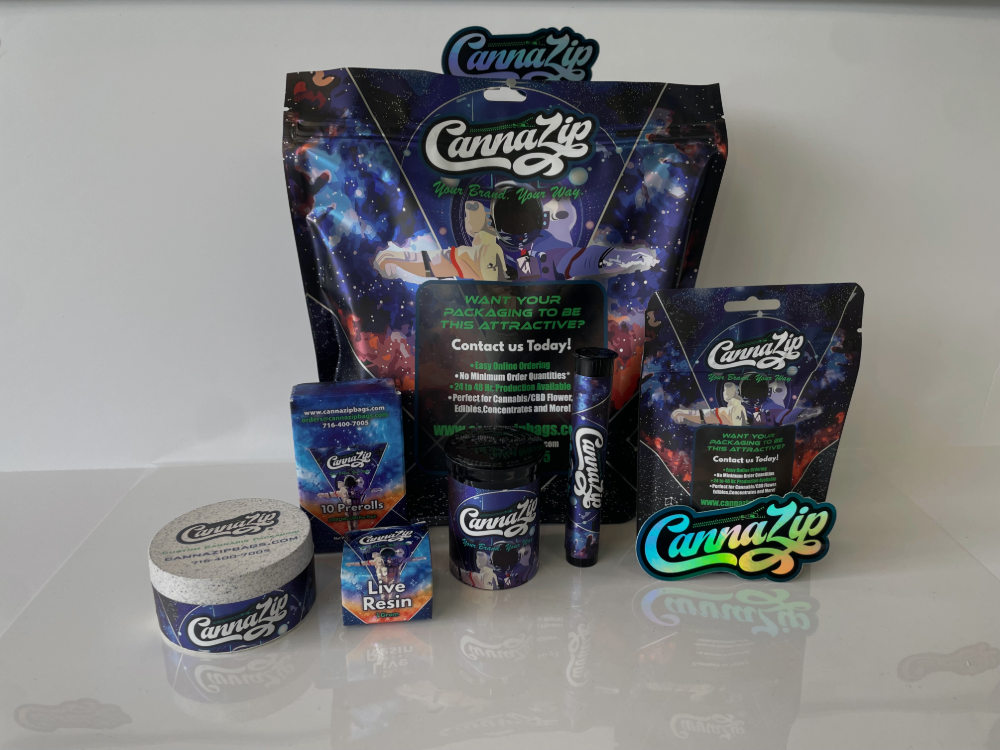




Your cart is empty

Back
Best Materials for Custom Marijuana Bags: Mylar, Kraft, Plastic, and More
Choosing the right material for custom marijuana bags comes down to a few practical questions: what you are packaging, how much protection the product needs, how important shelf appearance is, and what tradeoffs you are willing to make on cost, finish, and structure. The best option is not always the one that looks the most … Continued
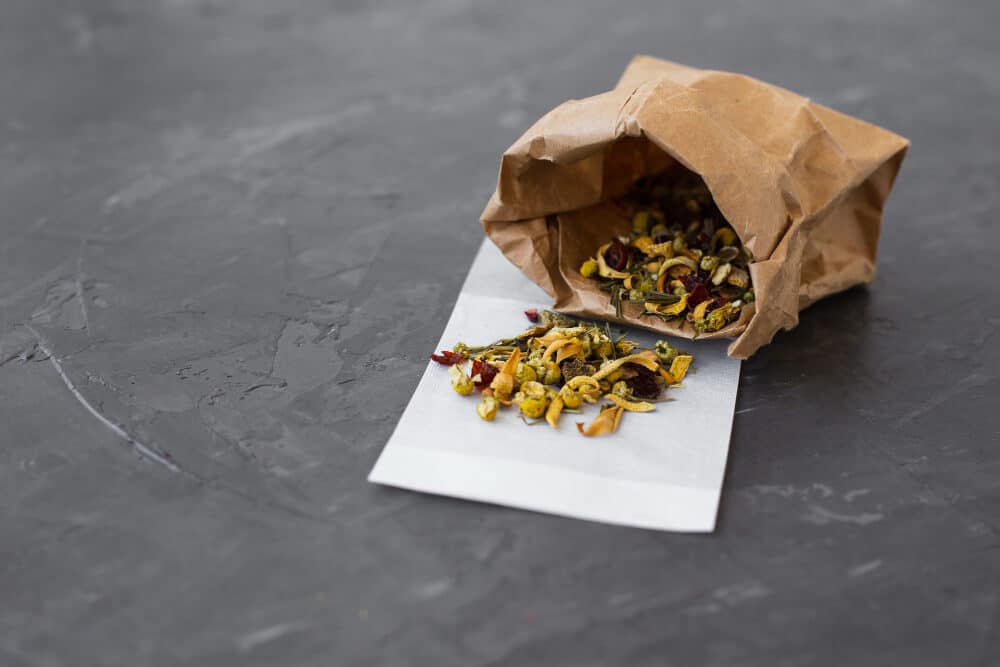
Choosing the right material for custom marijuana bags comes down to a few practical questions: what you are packaging, how much protection the product needs, how important shelf appearance is, and what tradeoffs you are willing to make on cost, finish, and structure. The best option is not always the one that looks the most premium. It is the one that fits the product, protects freshness, supports branding, and works for your packaging goals.
If you are comparing options for an upcoming order, start by narrowing the material based on product type and performance needs first. Then evaluate finish, print compatibility, resealability, labeling space, and any compliance-sensitive requirements before moving to production.
Choose the Right Material for Custom Marijuana Bags
The fastest way to choose between material options is to match the bag to the job it needs to do. Some materials are better for odor control and freshness. Others are better for cost-conscious runs or natural-looking presentation.
Best fit by packaging priority
If protection is your top priority, mylar and foil-lined structures are usually the strongest candidates. These materials are widely used when barrier performance, odor control, and durability matter more than a soft or minimalist look.
If branding and presentation matter most, kraft and premium-finish layered bags can work well, especially when the product does not require the highest barrier performance on its own. These options often support a more intentional shelf look, but appearance should not come at the expense of fit and function.
If budget is a major factor, standard plastic bags may make sense for simpler packaging programs, short-term use, or product lines where high-barrier packaging is not the main requirement. The catch is that lower-cost material choices may not deliver the same feel, smell control, or product protection as more structured options.
Quick material shortlist for common product types
For flower, many buyers lean toward mylar or foil-lined options because they help with freshness, odor containment, and resealability. For edibles, the right choice often depends on the product format, fill volume, and whether grease resistance or barrier protection matters. For pre-rolls, compact durable bag structures can work when the packaging needs to protect multiple units or support a branded retail format. For concentrates or other smell-sensitive products, stronger barrier materials are often the smarter call.
If you are unsure where to start, begin with the product’s sensitivity to air, moisture, and odor. That usually narrows the field fast.
Material Options Compared by Performance and Use Case
Different bag materials can look similar at first glance, but they perform very differently once they are filled, sealed, shipped, displayed, and handled by customers.
Mylar bags
Mylar is one of the most common choices for custom marijuana bags because it offers a strong mix of protection, structure, and branding flexibility. It is often selected for products that benefit from better barrier properties and a more durable bag construction.
Mylar bags are commonly used when freshness retention, smell reduction, and a more premium retail feel are important. They also tend to work well with a wide range of print and finish options, making them a strong fit for brands that want both performance and shelf impact.
Kraft bags
Kraft bags appeal to brands that want a more natural, earthy, or minimalist packaging style. They can be a good fit visually, especially for product lines that want a less glossy, more organic presentation.
That said, kraft is not automatically the best choice for every cannabis product. Depending on the structure, kraft-style bags may rely on inner layers to improve protection. This means buyers should not assume the outer look tells the whole story. A kraft finish can look great, but the real question is whether the full bag construction supports the product inside.
Plastic bags
Plastic bags can be useful when affordability, simplicity, or high-volume runs are the main priority. They may work for certain packaging applications where the product is less sensitive or where premium finish and higher barrier performance are not essential.
The downside is that plastic-only options may feel less substantial and may not provide the same level of odor control, durability, or shelf presence as more layered materials. For brands trying to balance cost and presentation, plastic can work, but it usually requires a careful look at what performance is being traded away.
Foil-lined or layered options
Foil-lined or layered bag constructions are designed for situations where one material alone may not deliver enough protection. These options combine visual finish with functional performance, which can make them attractive for more demanding packaging needs.
When barrier protection matters more than appearance
When the product is especially sensitive to moisture, air, or odor, barrier protection should lead the decision. A flashy finish does not help if the packaging underperforms in storage, transit, or on the shelf. In those cases, layered or foil-lined structures are often the better fit because they are built around protection first.
How Material Choice Changes by Product Type
The right material becomes much easier to choose when you stop thinking in general terms and focus on what the bag will actually hold.
Flower packaging
Flower packaging often calls for a material that helps preserve freshness, supports odor control, and holds up through repeated handling. That is why mylar and other barrier-focused structures are such common choices here. Resealable closures also matter because customers may open and close the bag multiple times.
Edibles and infused products
Edibles and infused products can vary widely, so material selection should reflect the actual product format. Gummies, baked items, powders, and infused snacks do not all behave the same way in packaging. Some need more protection from moisture or air, while others need enough internal space, secure sealing, and a surface that still looks clean and readable after filling.
Pre-roll packaging
Pre-roll packaging often benefits from materials that offer durability and consistent structure. The bag should protect contents from getting crushed too easily while still leaving room for branding, warning information, and practical opening features. If the package is meant for retail display, finish and print quality may matter almost as much as material strength.
Concentrates and smell-sensitive products
For concentrates and other smell-sensitive items, material performance usually matters more than aesthetic preference. This is where buyers should pay close attention to barrier layers, closure quality, and whether the bag is actually suited for products with stronger odor sensitivity.
When odor control and resealability affect the material choice
If odor containment is a serious concern, weaker material choices can create problems fast. Resealability also matters because the closure system is part of the packaging performance, not just a convenience feature. A good bag material paired with a poor closure is still a weak packaging solution.
What to Check Before Ordering Custom Marijuana Bags
Before placing an order, buyers should pressure-test the material choice against real packaging requirements, not just appearance or price.
Barrier protection, resealability, and durability
These are the core performance checks. Ask whether the bag provides the right level of protection for the product, whether it can be reopened and resealed reliably, and whether the structure will hold up during filling, shipping, storage, and customer use.
Finish, printing compatibility, and shelf presentation
Some materials support better print results or certain finishes more naturally than others. Matte, gloss, soft-touch, metallic effects, and window features can all influence final presentation. But the smartest move is to treat finish as a secondary decision after the material has already passed the performance test.
Size, fill volume, and product fit
A bag can be made from the right material and still be the wrong packaging choice if the size is off. Fill volume, product dimensions, headspace, and overall shape all affect how well the package performs and how polished it looks on the shelf.
Compliance-sensitive packaging considerations
Cannabis packaging can involve added requirements that affect structure and layout, so material selection should not happen in isolation.
Where labeling space and child-resistant requirements may affect bag selection
If your package needs significant labeling content or a child-resistant format, that can change the best bag style and material combination. Some options simply give you more usable surface area, stronger structure, or better compatibility with required packaging features.
Selecting the Best Material for Your Custom Marijuana Bags Order
The best material for custom marijuana bags depends on what matters most in the finished package.
Best choice for premium presentation
If your goal is a polished, retail-ready look with strong branding potential, mylar or well-constructed layered bags are usually the strongest picks. They tend to balance appearance and performance better than simpler alternatives.
Best choice for cost-conscious runs
If budget is driving the decision, plastic-based options may be worth considering, especially for straightforward packaging needs. Just be honest about the tradeoff: lower cost can also mean lower perceived quality or reduced protection.
Best choice for protection-focused packaging
If freshness, odor control, and barrier performance are non-negotiable, go with mylar or foil-lined structures first. That is usually the safer call for packaging that needs to do real work, not just look decent.
The smartest next step is to narrow your material choice by product type, performance needs, and packaging goals before requesting pricing. That makes your inquiry cleaner, faster, and far more likely to lead to the right bag the first time.


