



Your cart is empty

Back
Sustainable Cannabis Packaging: Why Eco-Friendly Materials Are the Future of Cannabis
The cannabis industry has experienced unprecedented growth over the past decade, but with this expansion comes a growing responsibility to address environmental concerns. As more states legalize cannabis and the market continues to mature, both consumers and businesses are increasingly prioritizing sustainability. For dispensaries and cannabis brands looking to differentiate themselves while meeting evolving consumer … Continued
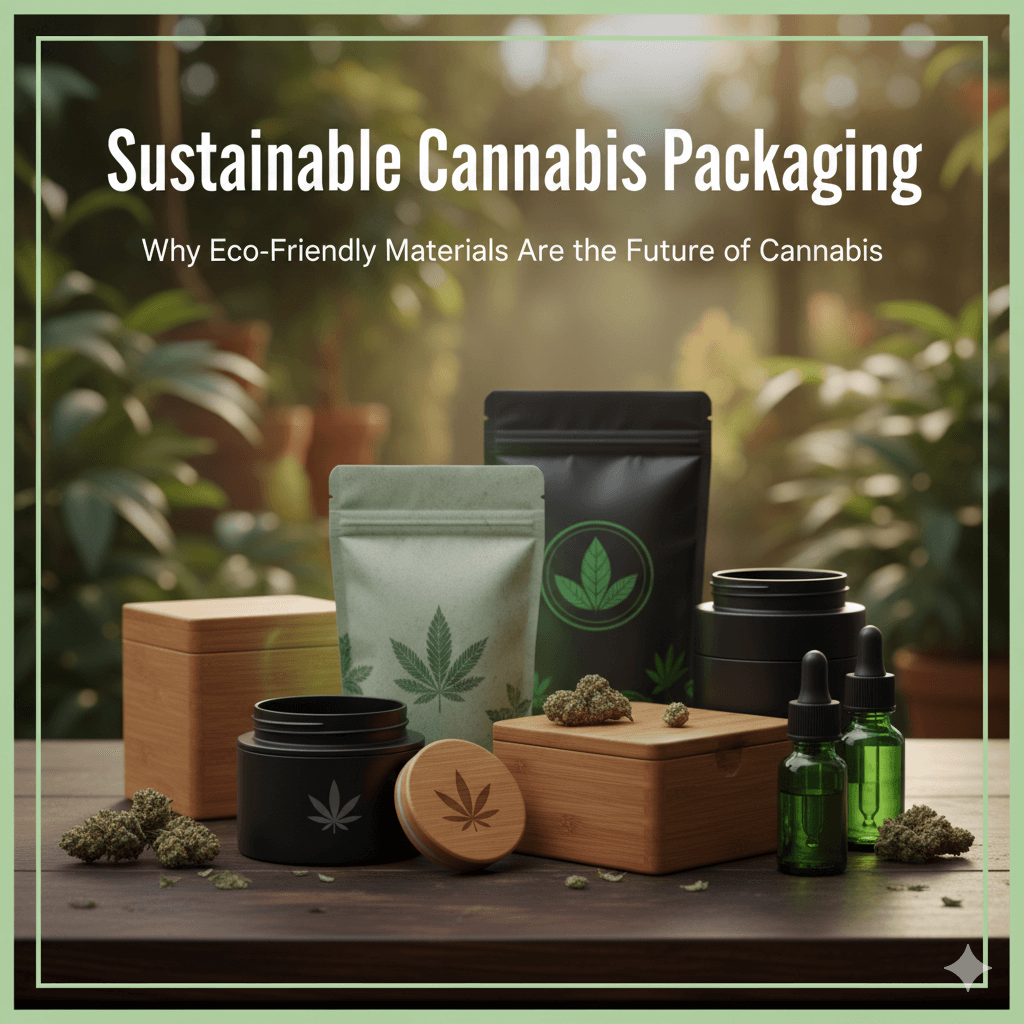
The cannabis industry has experienced unprecedented growth over the past decade, but with this expansion comes a growing responsibility to address environmental concerns. As more states legalize cannabis and the market continues to mature, both consumers and businesses are increasingly prioritizing sustainability. For dispensaries and cannabis brands looking to differentiate themselves while meeting evolving consumer expectations, sustainable cannabis packaging represents not just an environmental imperative, but a significant business opportunity.
At CannaZip, we’ve witnessed firsthand how eco-friendly marijuana bags and biodegradable cannabis containers are transforming the industry landscape. Local dispensaries across our service areas are discovering that sustainable packaging isn’t just about doing the right thing environmentally—it’s about building stronger customer relationships, reducing long-term costs, and positioning their brands for future success.
The Environmental Impact of Traditional Cannabis Packaging
The cannabis industry’s packaging requirements are uniquely challenging. Unlike many other consumer goods, cannabis products must comply with strict regulatory standards that often mandate specific packaging characteristics for child-resistance, tamper-evidence, and product visibility. Unfortunately, these requirements have historically led to over-packaging and reliance on materials that are difficult to recycle or biodegrade.
Traditional cannabis packaging typically relies heavily on single-use plastics, including Mylar bags, plastic containers, and multi-layered films that combine different materials. While these materials excel at protecting products and maintaining compliance, they create significant environmental challenges. A typical dispensary can generate hundreds of pounds of packaging waste monthly, with much of this material ending up in landfills where it can take centuries to decompose.
The environmental impact extends beyond waste disposal. The production of traditional packaging materials requires significant energy and resources, contributing to carbon emissions throughout the supply chain. For an industry that has roots in counterculture and environmental consciousness, this disconnect between values and practices has become increasingly problematic.
Local environmental groups and sustainability-focused consumers in our communities have begun scrutinizing cannabis packaging practices more closely. Dispensaries that continue relying solely on traditional packaging materials risk alienating environmentally conscious customers who expect their purchasing decisions to align with their values. This shift in consumer expectations has created both challenges and opportunities for forward-thinking cannabis businesses.
Types of Sustainable Materials Revolutionizing Cannabis Packaging
The sustainable packaging revolution in cannabis is being driven by innovative materials that maintain compliance requirements while dramatically reducing environmental impact. Understanding these options helps dispensaries make informed decisions about their packaging strategies.
Hemp-Based Packaging Solutions
Hemp-based materials represent perhaps the most logical evolution in cannabis packaging. These materials, derived from industrial hemp, offer excellent barrier properties while being completely biodegradable. Hemp-based films and containers can protect cannabis products from moisture, light, and oxygen while breaking down naturally in composting environments within 6-12 months.
Local hemp processing facilities have made hemp-based packaging increasingly accessible to regional dispensaries. The agricultural hemp grown in our area provides raw materials for packaging that travels shorter distances, reducing transportation emissions while supporting local economies. Hemp packaging also creates a natural brand story that resonates with cannabis consumers who appreciate the connection between the plant and its packaging.
Biodegradable Mylar Alternatives
Traditional Mylar bags, while effective for product protection, create long-lasting waste. Biodegradable alternatives now offer similar barrier properties using plant-based polymers that break down naturally. These materials maintain the familiar look and feel that consumers expect while addressing environmental concerns.
Recent innovations in biodegradable films have produced materials that meet cannabis industry requirements for moisture barriers and UV protection. These alternatives perform comparably to traditional Mylar in laboratory testing while offering end-of-life advantages that appeal to environmentally conscious consumers.
Recycled and Recyclable Options
Post-consumer recycled materials are increasingly viable for cannabis packaging applications. Advanced recycling technologies now produce high-quality packaging materials from recycled plastics, reducing demand for virgin materials while creating circular economy opportunities.
Recyclable packaging designs that separate different materials allow consumers to properly dispose of packaging components. Child-resistant containers made from recyclable plastics, combined with paper labels and hemp-based inner bags, create packaging systems that minimize waste while maintaining compliance.
Innovative Bio-Based Materials
Emerging bio-based materials derived from agricultural waste, algae, and other renewable resources offer exciting possibilities for cannabis packaging. These materials often outperform traditional options in specific applications while offering superior environmental profiles.
Mushroom-based packaging materials, created from agricultural waste and mycelium, provide excellent protective properties while being completely compostable. Seaweed-based films offer moisture barrier properties suitable for certain cannabis applications while dissolving harmlessly in water.
Cost Comparison: Sustainable vs. Traditional Packaging
One of the most common concerns dispensaries raise about sustainable cannabis packaging relates to cost. While sustainable materials often carry higher upfront costs than traditional alternatives, a comprehensive analysis reveals a more nuanced picture that often favors sustainable options.
Traditional packaging materials benefit from economies of scale developed over decades of mass production. However, sustainable materials are rapidly achieving cost parity as production volumes increase and manufacturing processes become more efficient. Many sustainable packaging options now cost only 10-15% more than traditional alternatives, with this premium continuing to decrease.
The cost calculation becomes more favorable for sustainable packaging when considering indirect benefits. Many dispensaries report increased customer loyalty and higher average transaction values when customers perceive their brands as environmentally responsible. This customer loyalty translates into improved lifetime value that often exceeds the modest premium for sustainable packaging.
Local dispensaries working with CannaZip have found that sustainable packaging options often reduce overall packaging costs by eliminating over-packaging. Sustainable materials that perform multiple functions—such as hemp-based bags that provide both product protection and marketing appeal—can reduce the need for additional packaging components.
Additionally, forward-thinking dispensaries are factoring potential regulatory changes into their cost analyses. As environmental regulations become more stringent, businesses already using sustainable packaging avoid transition costs and potential compliance issues that could affect competitors still relying on traditional materials.
Case Studies: Local Success Stories with Eco-Friendly Packaging
The theoretical benefits of sustainable cannabis packaging become more compelling when examining real-world implementations by local dispensaries in our service areas. These case studies demonstrate how sustainable packaging strategies create measurable business benefits while advancing environmental goals.
Mountain View Dispensary: Hemp Packaging Transformation
Mountain View Dispensary, a family-owned operation serving our local community, transitioned to hemp-based packaging for their premium flower products eighteen months ago. Initially concerned about customer acceptance and cost impacts, they discovered that sustainable packaging became a significant differentiator in their competitive market.
Customer feedback has been overwhelmingly positive, with many customers specifically mentioning the packaging in online reviews and social media posts. The dispensary reports a 23% increase in repeat purchases for products sold in hemp packaging, suggesting that sustainable packaging enhances customer loyalty. The hemp packaging also generates conversation among customers, creating opportunities for budtenders to discuss the dispensary’s environmental commitment.
From a cost perspective, Mountain View initially paid approximately 18% more for hemp packaging compared to their previous Mylar bags. However, the increased customer loyalty and positive word-of-mouth marketing generated by the sustainable packaging more than offset the additional cost. The dispensary now views sustainable packaging as a marketing investment rather than just a cost center.
Green Valley Cannabis: Comprehensive Sustainability Program
Green Valley Cannabis implemented a comprehensive sustainable packaging program that encompasses multiple product categories. Their approach combines biodegradable containers for edibles, recyclable glass jars for concentrates, and hemp-based bags for flower products.
The dispensary’s sustainability program extends beyond packaging to include customer education and waste reduction initiatives. Customers receive information about proper disposal methods for different packaging components, and the dispensary offers incentives for customers who return certain packaging components for reuse or recycling.
This comprehensive approach has positioned Green Valley Cannabis as the sustainability leader in their market area. They report increased foot traffic from environmentally conscious consumers who specifically seek out their sustainable options. The dispensary has also attracted attention from local environmental groups and media outlets, generating valuable publicity that would be difficult to achieve through traditional marketing approaches.
Riverside Remedies: Innovation Through Collaboration
Riverside Remedies partnered with local packaging suppliers and agricultural producers to develop custom sustainable packaging solutions. This collaborative approach allowed them to create packaging that meets their specific needs while supporting local businesses and reducing transportation emissions.
Their custom hemp-based packaging features locally sourced materials and printing, creating a completely regional supply chain. This approach has resonated strongly with customers who appreciate supporting local businesses throughout the entire product lifecycle. The dispensary reports that customers frequently comment on the local connection and ask about the packaging suppliers.
The collaborative approach also provided cost advantages by eliminating distributor markups and transportation costs associated with distant suppliers. Riverside Remedies now pays less for their sustainable packaging than they previously paid for traditional materials, demonstrating that sustainable options can achieve cost advantages in certain circumstances.
Consumer Preferences and Market Trends Driving Sustainable Packaging
Understanding consumer preferences and market trends provides crucial context for dispensaries considering sustainable packaging investments. Recent research and local market observations reveal clear patterns that favor sustainable packaging options.
Consumer surveys consistently show that environmental considerations influence purchasing decisions for a majority of cannabis consumers. A recent industry survey found that 73% of cannabis consumers consider environmental impact when choosing between similar products, with 45% willing to pay premium prices for demonstrably sustainable options.
Local focus groups conducted in our service areas reveal that sustainable packaging creates emotional connections between consumers and brands. Consumers describe feeling “good” about purchases when packaging aligns with their environmental values, leading to increased satisfaction and loyalty. This emotional connection translates into measurable business benefits for dispensaries that prioritize sustainable packaging.
Generational differences in packaging preferences are particularly pronounced in cannabis markets. Younger consumers, who represent a growing segment of legal cannabis users, strongly prefer sustainable packaging options. These consumers often view packaging choices as reflections of brand values and make purchasing decisions based on alignment with their personal environmental priorities.
The trend toward sustainability extends beyond individual consumer preferences to influence broader market dynamics. Cannabis brands that establish early leadership in sustainable packaging often maintain competitive advantages as markets mature. Conversely, brands that delay sustainable packaging adoption may find themselves at disadvantages as consumer expectations evolve.
Social media amplifies the impact of sustainable packaging choices. Consumers frequently share images of products and packaging on social platforms, creating viral marketing opportunities for brands with visually appealing sustainable packaging. Hemp-based and other natural packaging materials photograph particularly well, creating content that generates engagement and brand awareness.
CannaZip’s Sustainable Packaging Solutions
At CannaZip, we’ve developed comprehensive sustainable packaging solutions specifically designed for cannabis industry applications. Our product line addresses the unique requirements of cannabis packaging while delivering the environmental benefits that consumers and businesses increasingly demand.
Our hemp-based packaging options represent the cornerstone of our sustainable product line. These materials, sourced from regional hemp producers, offer superior barrier properties while maintaining complete biodegradability. Our hemp packaging undergoes rigorous testing to ensure compliance with all relevant cannabis packaging regulations while providing the product protection that dispensaries require.
We’ve invested significantly in biodegradable alternatives to traditional Mylar bags. Our bio-based films provide equivalent moisture and light protection while breaking down naturally in composting environments. These materials maintain the familiar appearance and functionality that cannabis consumers expect while addressing environmental concerns.
Our recyclable packaging systems separate different materials to facilitate proper disposal and recycling. Child-resistant containers made from recycled and recyclable plastics combine with removable labels and biodegradable inner barriers to create packaging that minimizes waste throughout its lifecycle.
Customization capabilities allow local dispensaries to create distinctive packaging that reflects their brand identity while maintaining sustainable principles. Our local production facilities enable short-run custom packaging that would be impractical with distant suppliers, supporting unique branding initiatives for dispensaries of all sizes.
We provide comprehensive education and support to help dispensaries implement sustainable packaging programs effectively. Our team works with dispensaries to identify optimal packaging solutions for their specific product mix and customer base, ensuring that sustainability initiatives enhance rather than complicate business operations.
Future Innovations in Green Cannabis Packaging
The future of sustainable cannabis packaging promises even more innovative solutions that will further reduce environmental impact while enhancing product protection and brand differentiation. Understanding these emerging trends helps dispensaries prepare for continued evolution in packaging technologies and consumer expectations.
Edible packaging represents one of the most exciting frontiers in sustainable cannabis packaging. Researchers are developing packaging materials made from plant-based compounds that can be safely consumed or dissolved, eliminating waste entirely. While regulatory approval for edible packaging in cannabis applications remains pending, early research suggests significant potential for certain product categories.
Smart packaging technologies integrated with sustainable materials offer possibilities for enhanced product tracking and consumer engagement. Biodegradable packaging embedded with plant-based sensors could provide real-time information about product freshness while breaking down naturally after use.
Nanotechnology applications in sustainable packaging materials promise enhanced barrier properties and functionality. Plant-based nanocomposites could provide superior protection for cannabis products while maintaining complete biodegradability and compostability.
Regional packaging production capabilities continue expanding, creating opportunities for truly local packaging supply chains. Mobile packaging production units and distributed manufacturing technologies could enable on-demand packaging production that eliminates transportation emissions while supporting local economies.
Circular economy initiatives specific to cannabis packaging are emerging in several markets. These programs create closed-loop systems where packaging materials are collected, processed, and remanufactured into new packaging, eliminating waste while reducing demand for virgin materials.
Building Your Sustainable Packaging Strategy
For dispensaries ready to embrace sustainable cannabis packaging, developing a comprehensive strategy ensures successful implementation while maximizing business benefits. A thoughtful approach considers customer preferences, regulatory requirements, cost implications, and long-term market trends.
Start by assessing your current packaging practices and identifying opportunities for sustainable alternatives. Consider customer feedback and preferences, regulatory requirements for different product categories, and cost implications of various sustainable options. This assessment provides the foundation for informed decision-making about sustainable packaging investments.
Engage customers in your sustainability journey through education and communication. Explain the environmental benefits of sustainable packaging options and provide guidance about proper disposal methods. Customer education transforms sustainable packaging from a business expense into a marketing asset that builds brand loyalty.
Work with suppliers who understand both sustainability principles and cannabis industry requirements. Suppliers like CannaZip, who specialize in sustainable cannabis packaging, provide expertise and support that ensures successful implementation of sustainable packaging programs.
Consider phased implementation that allows gradual transition to sustainable packaging options. Starting with specific product categories or premium products allows dispensaries to test customer response and refine processes before comprehensive implementation.
Monitor and measure the results of sustainable packaging initiatives. Track customer feedback, sales performance, and cost impacts to quantify the benefits of sustainable packaging investments. This data supports continued investment in sustainable packaging and provides valuable insights for program optimization.
Conclusion: The Sustainable Future of Cannabis Packaging
Sustainable cannabis packaging represents more than an environmental initiative—it’s a strategic business opportunity that addresses evolving consumer expectations while positioning dispensaries for long-term success. As the cannabis industry continues maturing and environmental consciousness grows, sustainable packaging will transition from competitive advantage to business necessity.
The evidence from local dispensaries, consumer research, and market trends clearly indicates that sustainable packaging delivers measurable business benefits while advancing environmental goals. Dispensaries that embrace sustainable packaging now will establish market leadership positions that become increasingly valuable as competition intensifies and regulatory requirements evolve.
At CannaZip, we’re committed to supporting local dispensaries in this transition through innovative sustainable packaging solutions, comprehensive education, and ongoing support. Our locally-focused approach ensures that sustainability initiatives also support regional economic development while building stronger connections between dispensaries and their communities.
The future of cannabis packaging is undoubtedly sustainable, and that future is arriving more quickly than many industry observers anticipated. Dispensaries that act now to implement sustainable packaging strategies will reap the benefits of early adoption while contributing to a more sustainable cannabis industry that better serves both consumers and communities.
For dispensaries ready to explore sustainable packaging options, CannaZip offers comprehensive consultation, innovative products, and ongoing support to ensure successful implementation. Contact us today to begin your sustainable packaging journey and discover how eco-friendly materials can become competitive advantages in your local market.


